
Exam and X-ray
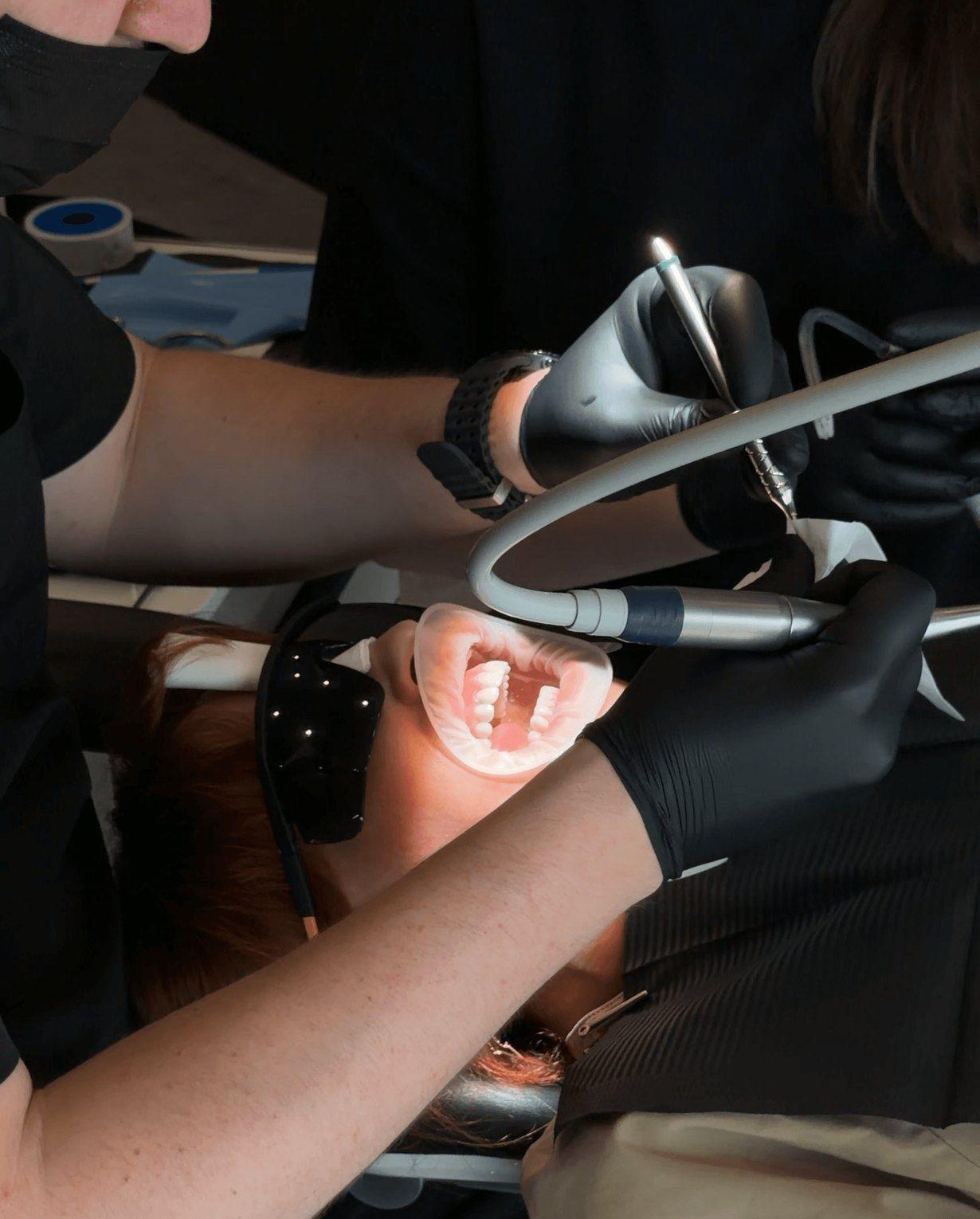
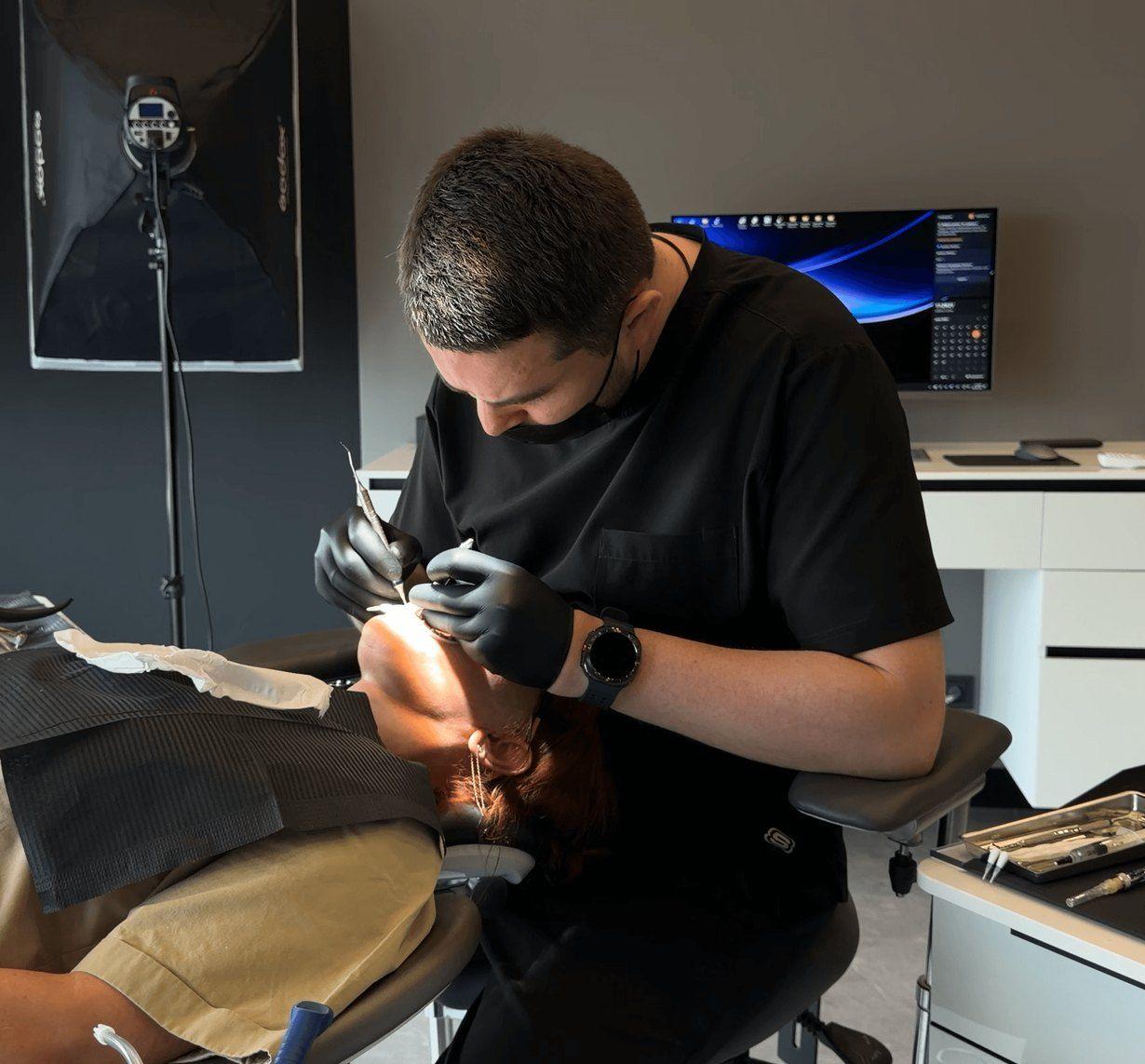
The surgeon checks the gum, takes an X-ray or CT scan and finds the tooth the infection came from.
A gum abscess forms when infection from a diseased tooth spreads into the soft tissue and pus collects there. The gum over the tooth swells, the cheek puffs up, the pain gets worse, and sometimes you run a fever. Painkillers only dull the pain for a short time. That is why we open the abscess under local anesthesia and let the pus out. After that, we treat the tooth that caused the infection.
Contact form
Abscess drainage is one of the procedures of our oral surgery department. Do not wait for a swollen gum to burst on its own. Book an exam if you notice:
Patients often come in after several days of warm compresses and rinses. Do not warm the swelling, because heat can make the infection worse. If the swelling spreads quickly to the neck or it becomes hard to swallow or breathe, call an ambulance at 103.
Our oral surgeon Valerii Shcherbyna examines and drains dental abscesses.
Drainage relieves the acute infection, but its cause stays in the tooth. A tooth that can be saved needs root canal treatment by an endodontist (a root canal specialist). For a badly damaged tooth, the surgeon plans a tooth extraction. Sometimes the abscess forms next to a third molar. Then the doctor decides whether wisdom tooth removal is needed. The longer pus stays in place, the more bone around the tooth is lost.
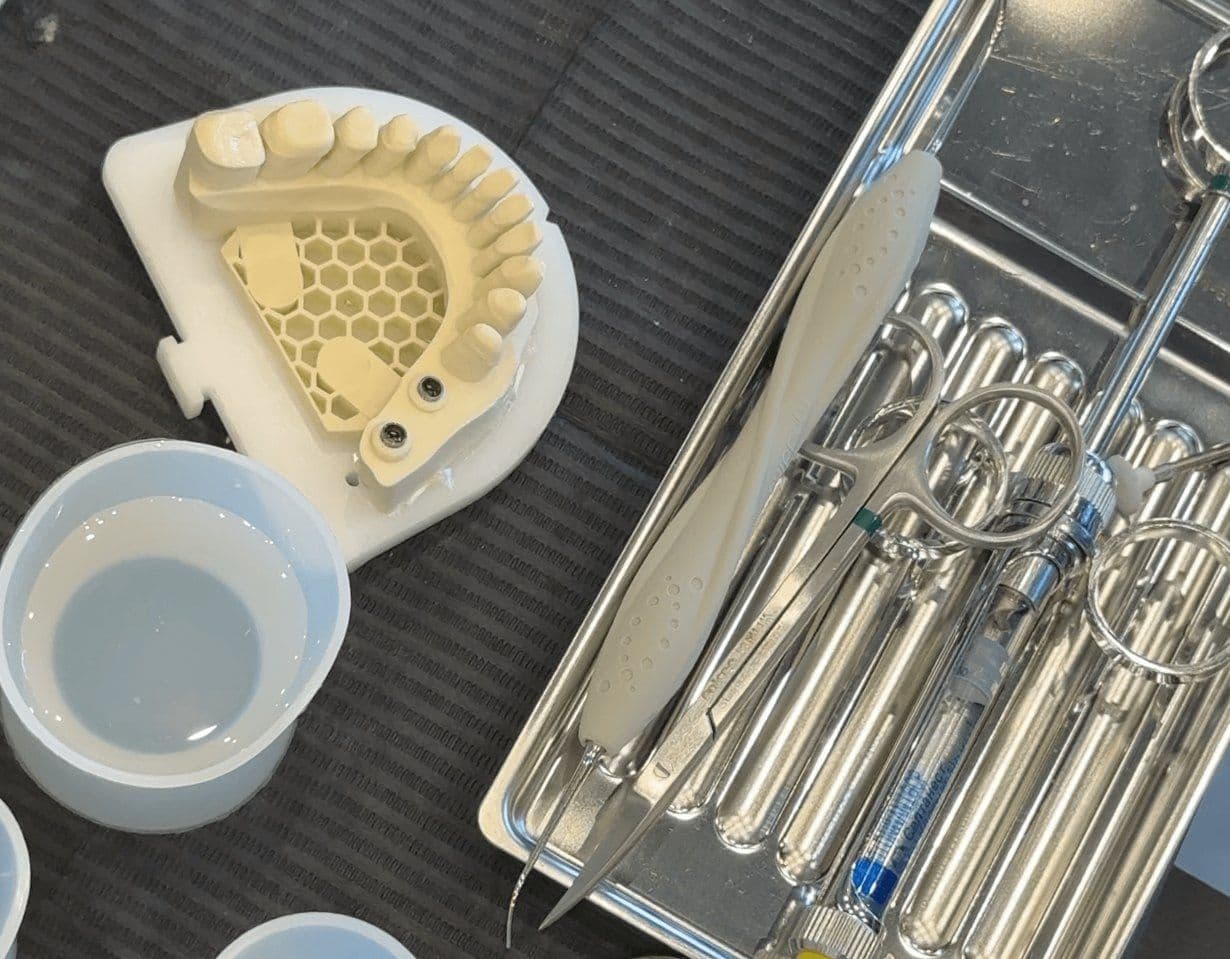
Abscess incision and drainage
UAH 1,200
Abscess incision and drainage costs UAH 1,200 and does not include treatment of the tooth that caused the abscess. The doctor quotes the cost of root canal treatment or extraction after the diagnosis and fixes it in your treatment plan.

BookanexamwithaniDentitysurgeon.Thedoctorwillcheckwheretheinfectioncomesfromandexplainwhetheritneedstobedrainedatthisvisit.
Treatment process
FAQ
Abscess incision and drainage costs UAH 1,200. Treatment of the tooth that caused the abscess is paid separately, and the doctor quotes it after the diagnosis.
No. Rinses can ease the discomfort for a while, but the pus does not go anywhere and the infection stays in the tooth. That is why it is best to see a surgeon as soon as you can.
A drain keeps the wound from closing before all the pus is out. The surgeon decides during the procedure whether you need one.
The surgeon prescribes antibiotics on an individual basis when the inflammation is significant. They do not replace drainage, because the pus still has to be let out.
Not always. If the tooth can be saved, root canal treatment keeps it. A badly damaged tooth is extracted. An implant is not placed during acute infection and is planned after healing.
Local anesthesia works during the drainage, and the doctor starts only once the area is numb. Afterwards the gum may ache, so the surgeon explains how to care for the wound in the first days.
Contact form