


Consultation
The dentist listens to your concerns and checks the teeth, gums and bite.
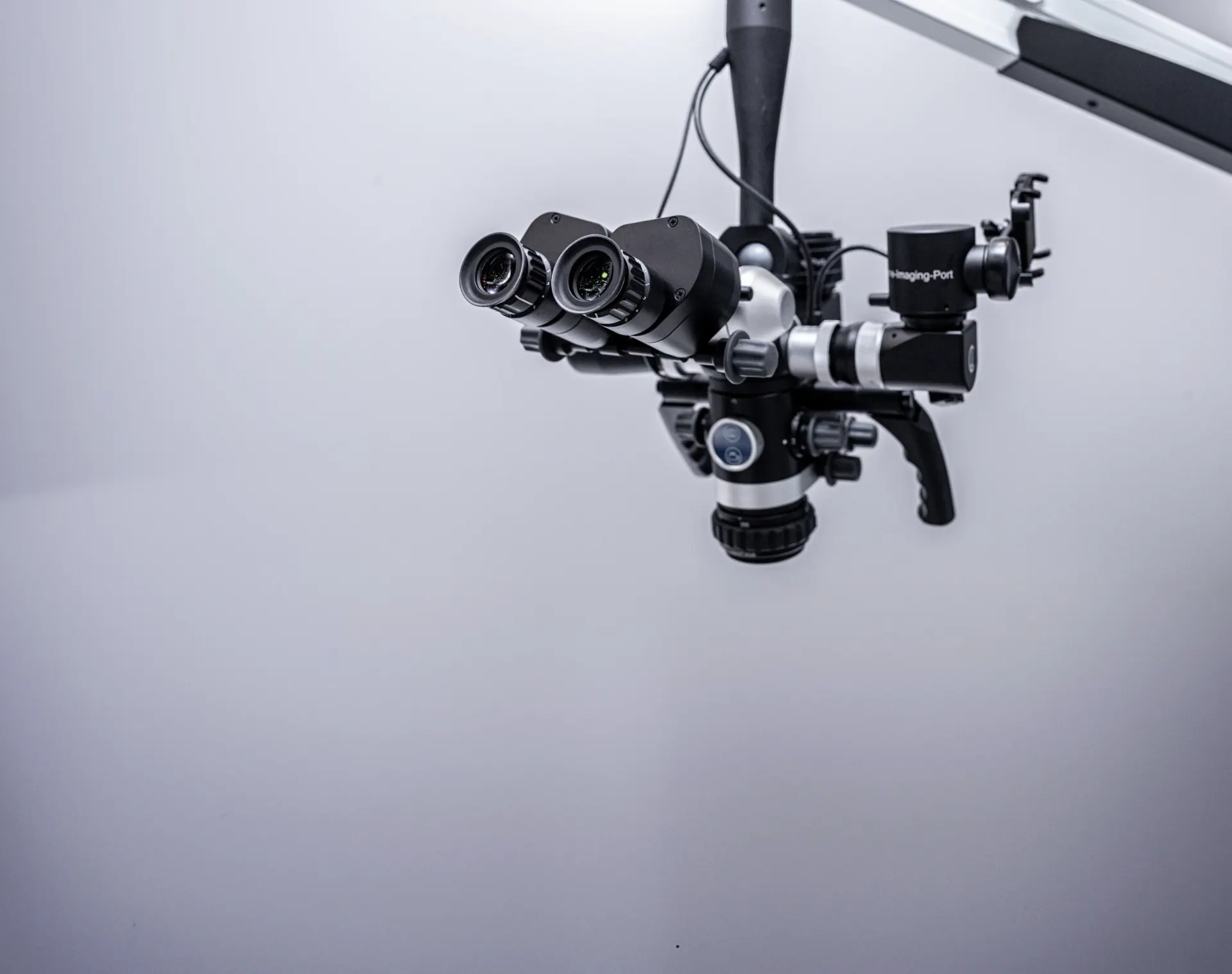
Comprehensive digital diagnostics is for treatment that involves several teeth, the bite or the jaw joint. We take a 3D dental CT scan and capture both jaws with an intraoral scanner instead of plaster impressions. We add a cephalometric X-ray, a side view of the head. We also take a photo protocol, a series of photos of the face and teeth. The Modjaw system records how the lower jaw moves and lays those movements over the 3D scan. The dentist combines all of this data in planning software and builds the treatment plan from it.
Contact form
The full examination is part of our diagnostics at iDentity. We recommend it when a single X-ray is not enough to plan treatment:
A dental CT scan shows the roots, the bone, the nerve canals and the maxillary sinus. The intraoral scan gives an accurate 3D model of the teeth, and Modjaw adds a recording of jaw movement to it. We use this data to plan dental implants and orthodontic treatment. If the main complaint is the jaw joint, the examination supports diagnostics of the temporomandibular joint (TMJ).
The results are explained to you by the dentist who leads your treatment: orthodontist Tetiana Shcherbyna or prosthodontist Illia Nikolaenko.
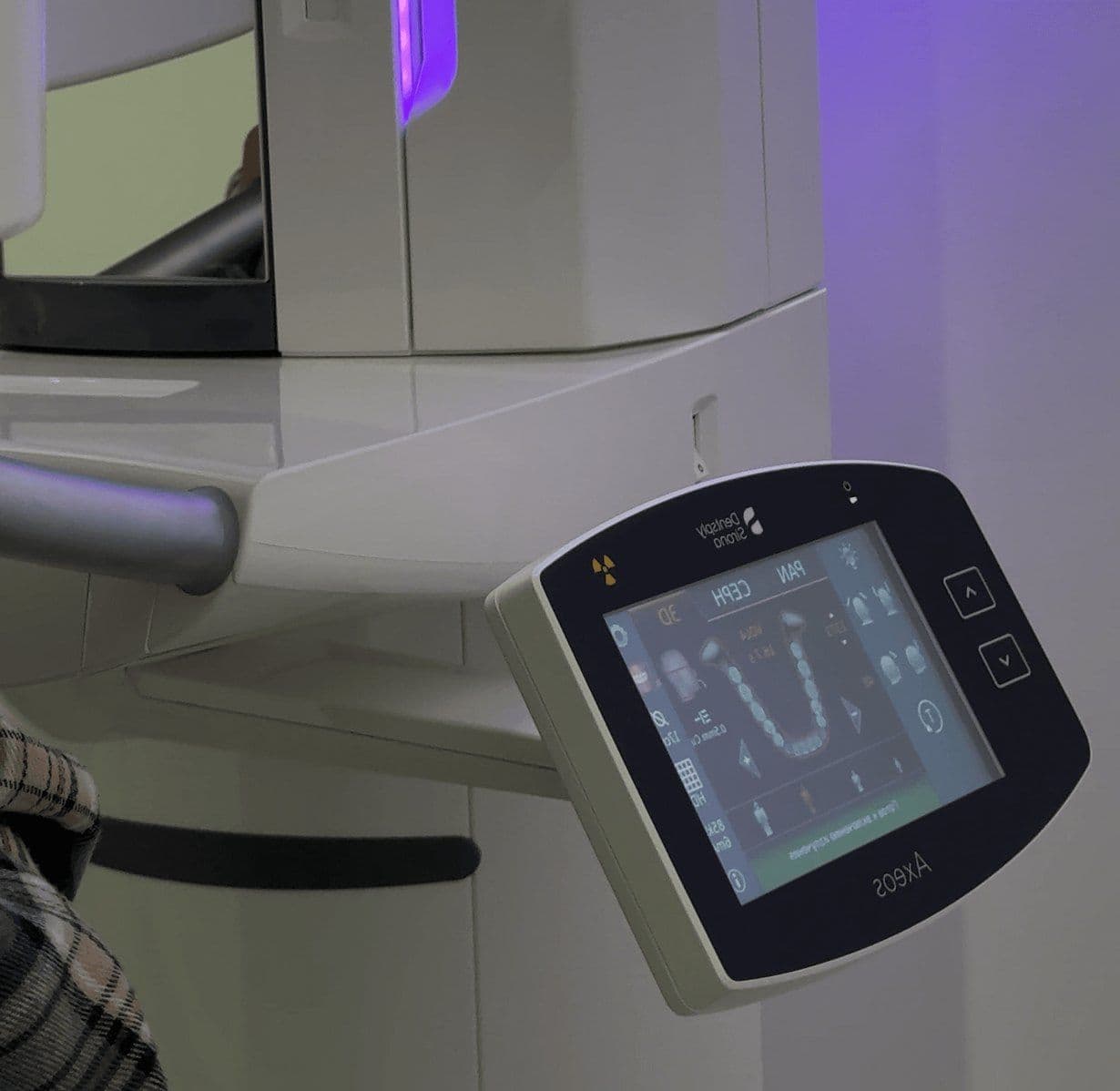
Comprehensive diagnostics (Modjaw, cephalometric X-ray, CBCT, photo protocol, scan)
UAH 7,950
The price covers a 3D dental CT scan, a cephalometric X-ray, a photo protocol, scanning of both jaws and jaw movement recording with Modjaw. CBCT (cone-beam CT) is the 3D dental CT scan. The price list has no separate price for a CT scan alone. For current prices, see the contacts page.
BookaconsultationatiDentity.Thedentistwillexamineyourteethandtellyouwhichtestsyouneed.
Treatment process
FAQ
There is no separate price for a CT scan in our price list. The scan is part of comprehensive diagnostics for UAH 7,950, together with a cephalometric X-ray, a photo protocol, jaw scanning and Modjaw recording. Please ask by phone or at your consultation whether a CT scan can be done on its own.
A regular periapical X-ray shows a tooth in one plane. A CT scan shows the roots, bone, nerve canals and sinus in 3D, so the surgeon can choose the implant and where to place it.
A cephalometric X-ray shows the bones of the skull and jaws from the side. We add it when there are questions about the bite or the jaw joint.
No. Jaw movement recording matters most when the jaw joint hurts or the bite changes. For treating a single tooth, an examination and a regular X-ray are usually enough.
The scanner replaces plaster impressions and gives a 3D model that the dentist combines with the CT. Without it, an implant or prosthetics plan would be less precise, so the full examination always includes the scan.
Contact form