
Initial exam, history, and 3D scanning
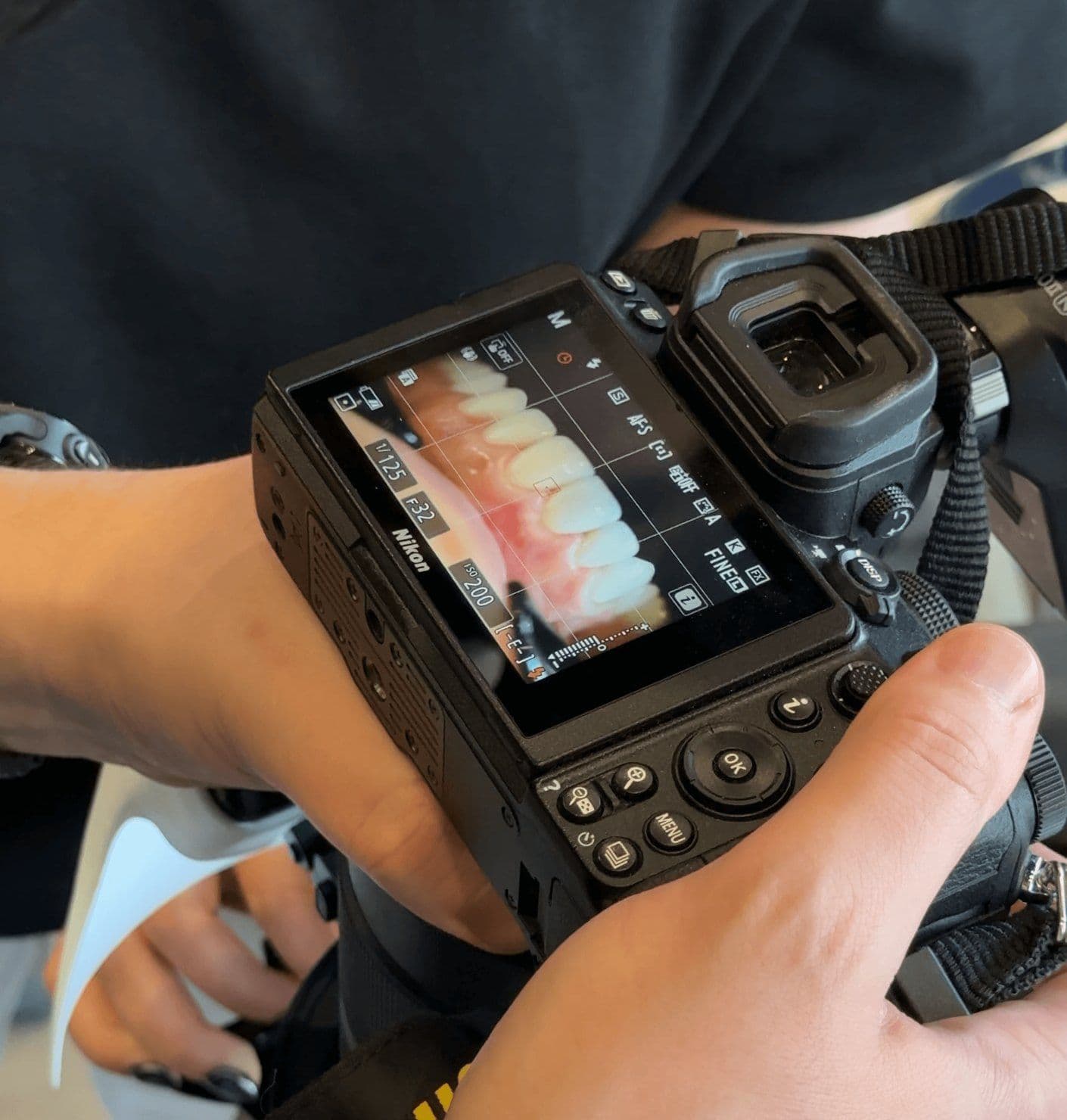
The doctor listens to complaints, evaluates facial symmetry, palpates muscles, and intraorally scans the dental arches.
TMJ diagnostics and dentography is a comprehensive analysis of temporomandibular joint (TMJ) function, muscles, and tooth contacts. It reveals causes of jaw clicking, chronic facial pain, uneven enamel wear, and bite disorders before orthodontic or prosthetic treatment begins.At iDentity, diagnostics follow digital protocols. The doctor evaluates mandibular movement, determines centric relation, and records minor premature contacts that interfere with proper occlusion.Functional examination gives the gnathologist a complete picture of the stomatognathic system. This prevents errors when fabricating veneers, crowns, or planning braces and aligners.
У клініці iDentity діагностику проводять за допомогою цифрових протоколів. Лікар оцінює траєкторію руху нижньої щелепи, визначає центральне співвідношення щелеп і фіксує найменші суперконтакти, які заважають правильному змиканню зубних рядів.
Завдяки функціональному обстеженню лікар-гнатолог отримує повну картину роботи всієї стоматогнатичної системи. Це унеможливлює помилки при виготовленні вінірів, коронок чи плануванні лікування брекетами й елайнерами.
Contact form
A standard exam assesses teeth statically; functional diagnostics studies the system in motion. Many TMJ disorders only show up when the jaw moves.
Here is how that affects your treatment:
When examining jaw function, digital sensors and scanners record:
These measurements establish anatomically correct mandibular position. The final TMJ diagnosis and individual treatment plan are based on interpretation of these values. These data are also used to design the occlusal splint when splint therapy is indicated.
Functional diagnostics (dentography)
6000 UAH
Before the diagnostic complex begins, the doctor will confirm:
You know the final cost before measurements begin.
The comprehensive digital diagnostics package with Modjaw costs UAH 7,950. Besides jaw movement recording, it includes a cephalometric X-ray (a side X-ray of the head), a CBCT scan, a photo protocol and an intraoral scan.
Bookaconsultation—aniDentitygnathologistwillperformfunctionalTMJdiagnostics,dentography,andfindtherootcauseofdiscomfort.
Treatment process
FAQ
Chair time is usually 60 to 90 minutes, plus time to process data in software.
No special preparation, but avoid painkillers before the visit — they can mask muscle responses.
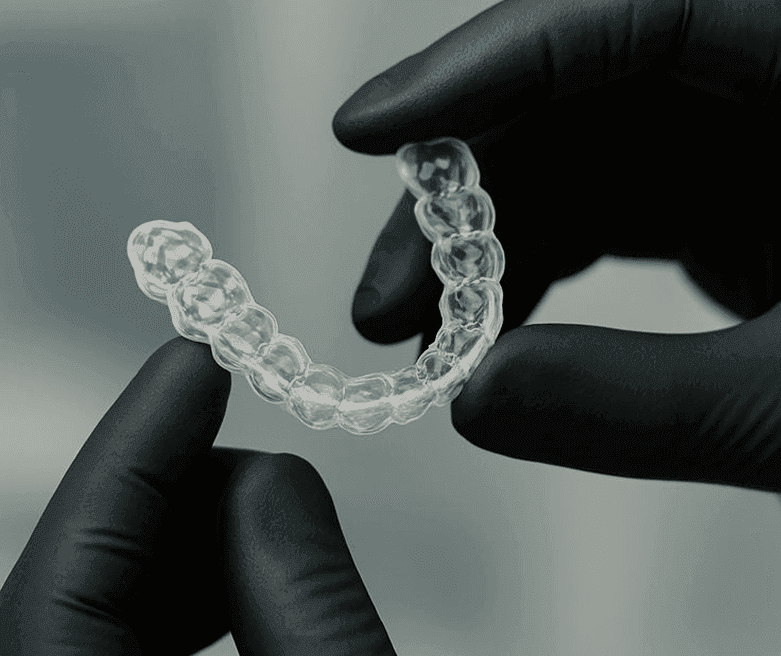
Wearing a custom clear occlusal splint that unloads muscles, returns the jaw to physiologic position, and relieves pain.
Ideally before orthodontics, but if joint pain occurs during treatment, diagnostics can be performed with braces in place.
No — dentography studies tooth contacts and biomechanics; MRI visualizes soft tissues (disc, ligaments). They complement each other.
It is usually a dull ache in front of the ear that can spread to the temple, cheek, or neck. It often gets worse with chewing, yawning, or opening the mouth wide. Many patients also notice clicking or jaw fatigue in the morning.
Contact form