


Initial diagnostics and tooth preparation
The doctor examines the abutment tooth, prepares the surface with a micro-shoulder under anesthesia, and takes a digital impression with an intraoral scanner.
Zirconia crowns are modern prosthetic restorations made of zirconium dioxide that combine high strength with a natural appearance. With no metal framework, light refracts through the material much like natural enamel.
Crowns are made using CAD/CAM digital technology. We scan the mouth, the dental technician designs the crown in software, and a milling machine cuts it from a solid zirconia block.
These crowns are suitable for restoring any tooth. They withstand heavy chewing loads on molars and stay discreet in the smile zone without a dark line at the gum margin.
Contact form
The difference is the absence of metal, precision of marginal fit, and esthetic properties.
Here is how this affects your teeth:
If examination and 3D diagnostics show that:
У таких випадках ортопед запропонує керамічні конструкції E-max або тимчасові лабораторні коронки. Підсумкове рішення ухвалюється після цифрового сканування.
Zirconia crown
400$
Before tooth preparation the prosthodontist will confirm:
You know the total estimate before prosthetic treatment begins.
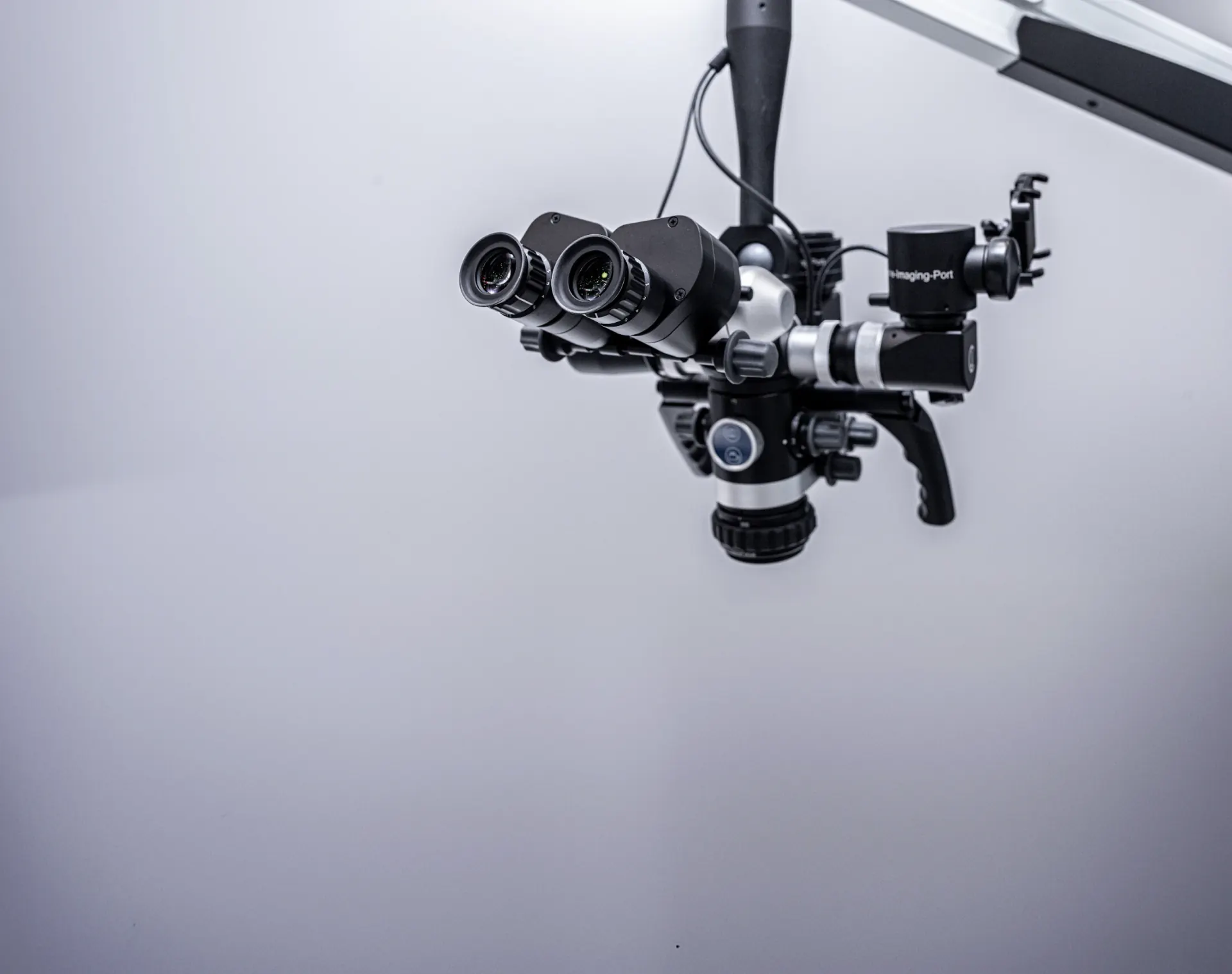
Bookaconsultation—aniDentityprosthodontistwillexamineyourteethandrecommendthebestzirconiacrownoption.
Treatment process
FAQ
With proper care and hygiene, zirconia crowns often last more than 15–20 years.
No — if the tooth is vital and healthy, it can be prepared under anesthesia while preserving the pulp thanks to minimal material thickness.
Shade and translucency are selected on a shade guide to match your neighboring teeth.
Monolithic zirconia crowns are highly resistant to chipping because they are milled from a single high-strength block.
Same as natural teeth: brush twice daily, use floss or a water flosser, and see your dentist every six months.
Contact form